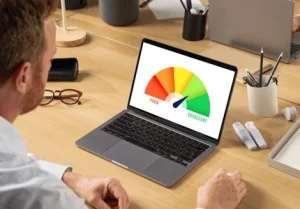
From travel perks to budget control, find the perfect card strategy for your lifestyle and goals.
When you reach the checkout counter, whether physically or digitally, you face a fundamental choice: credit card or debit card? While both cards look nearly identical and are accepted at almost every merchant, they represent two entirely different financial philosophies.
Understanding the nuances between these two tools is essential for managing cash flow, protecting your identity, and building a foundation for major life milestones like buying a home.
Debit Card: Reality Check
A debit card is a direct “pipeline” to your checking account. When you swipe a debit card, the funds are usually deducted almost instantly. This is the ultimate tool for budgetary discipline. For millions of Americans who struggle with overspending, debit cards provide a hard ceiling: you cannot spend money you do not have.
The primary advantage of debit is the lack of interest. Because you aren’t borrowing money, you won’t receive a bill at the end of the month with a 20% APR attached to it. It’s a “pay-as-you-go” system that keeps you grounded in your actual net worth. However, this direct connection to your bank account is also its greatest weakness.
If a debit card is compromised, the thief is essentially sticking their hand directly into your life savings. While banks do offer fraud protection, the money is gone from your account while the investigation takes place, which can lead to bounced checks or missed rent payments.
Credit Card: A Tool for Leverage and Protection
Unlike debit, a credit card is a revolving line of credit. You are borrowing the bank’s money to make a purchase and promising to pay it back later. This detachment from your bank account offers a significant layer of security and consumer protection. Under the Fair Credit Billing Act, credit card users have robust protections against unauthorized charges.
Beyond security, credit cards are the primary engine for building a credit score. In America, your FICO score dictates your ability to rent an apartment, get a cell phone plan, or secure a low-interest mortgage. Responsible credit card use demonstrates to lenders that you are a reliable borrower.
Furthermore, the credit market is famous for rewards and perks. From 5% cash back on groceries to airline miles that can fund an international vacation, credit cards can actually “pay” you to use them.
Critical Comparisons: When to Use Which?
The “better” card often depends on the specific scenario:
- Travel and Rentals: Credit cards are almost mandatory for booking hotels and rental cars. These businesses often place “holds” on funds to cover potential damages. On a debit card, a $500 hold means $500 you can’t spend on dinner or gas. On a credit card, it simply uses a portion of your credit limit.
- Daily Budgeting: If you are prone to “impulse buys,” debit is the safer bet. The immediate feedback of seeing your bank balance drop is a powerful psychological deterrent to overspending.
- Online Shopping: Credit is the clear winner here. The risk of data breaches is high, and having the bank’s money on the line instead of your own provides peace of mind.
The High Cost of Credit Mistakes
The debate swings heavily toward debit the moment a consumer begins carrying a balance. The high-interest rates associated with credit cards can quickly negate any rewards earned. A $100 grocery trip can end up costing $150 if paid off over several months. For those who cannot pay their statement in full each month, the debit card remains the superior financial protector.
Final Verdict
The ideal strategy is often a hybrid approach. Use credit cards for fixed expenses, online shopping, and travel to maximize rewards and security, then use debit for daily discretionary spending to stay within your means. The goal is to use credit for the benefits without falling into the interest trap.